Discoveries #27 | The Myth of the Linear Career

Welcome to Edition 27 of Discoveries where I share inspiration on design, product building, and what's next.
The Myth of the Linear Career
I had the opportunity to do a fireside chat at Shepherd, a fast-growing YC company in SF (thanks for the invite Mo!).
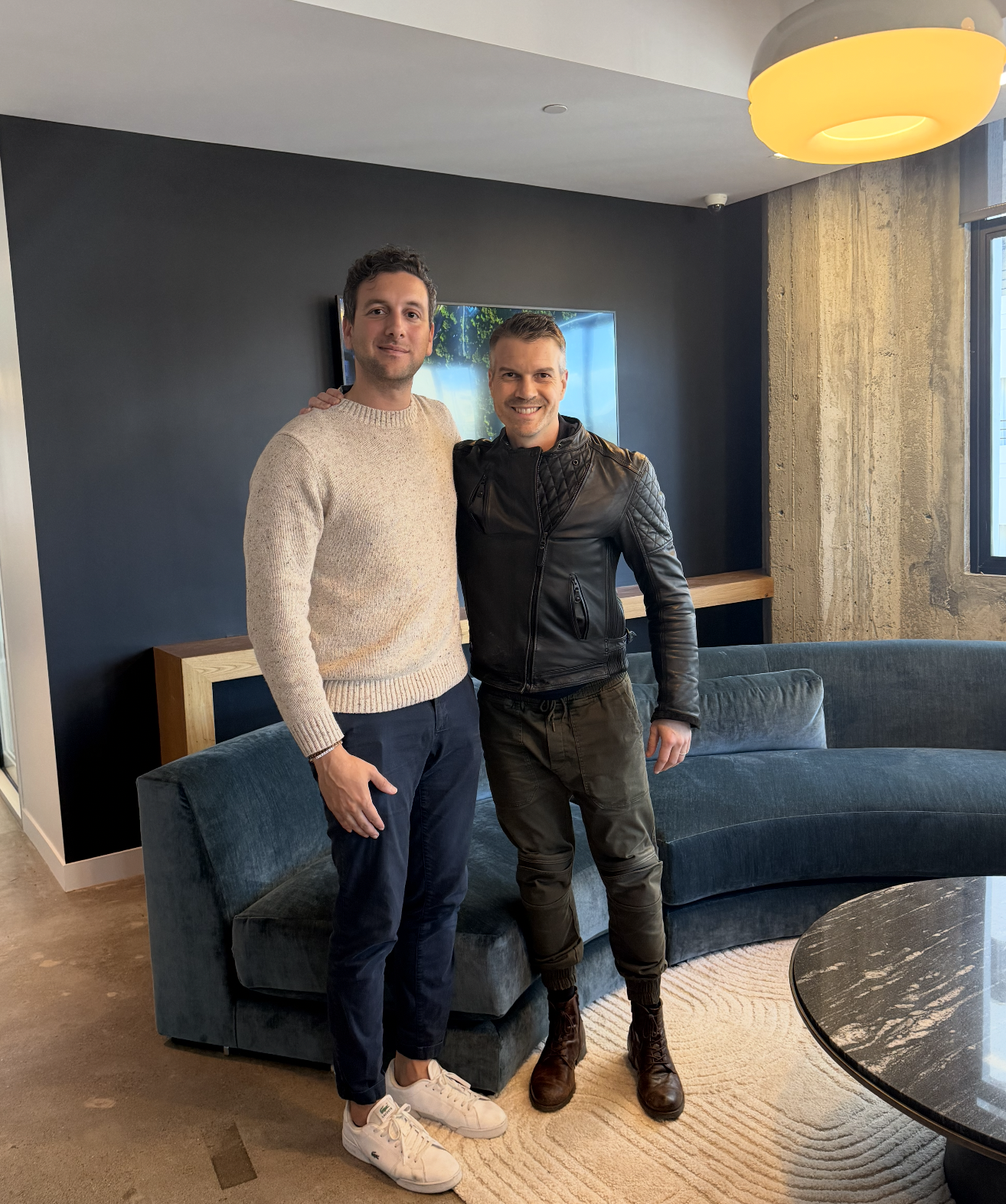
I got to share a bit about my career arc and how all my seemingly random experiences have helped me as founder.
A few of the highlights from our chat:
Architecture trained you to think in systems, constraints, and user experience long before “UX” was a job title. What carried over that most people don’t expect?
I still tell people that studying architecture is one of the best things you can do, even if you never become an architect.
You leave with a strange but powerful mix of skills:
- You can think in systems
- You can translate complexity into something legible
- You can design, but also build
- You can tell stories and defend ideas
- You get comfortable operating under constraints
You’re basically drinking from a firehose across design, engineering, communication, science, and craft all at once.
What surprised me later was how transferable all of that is.
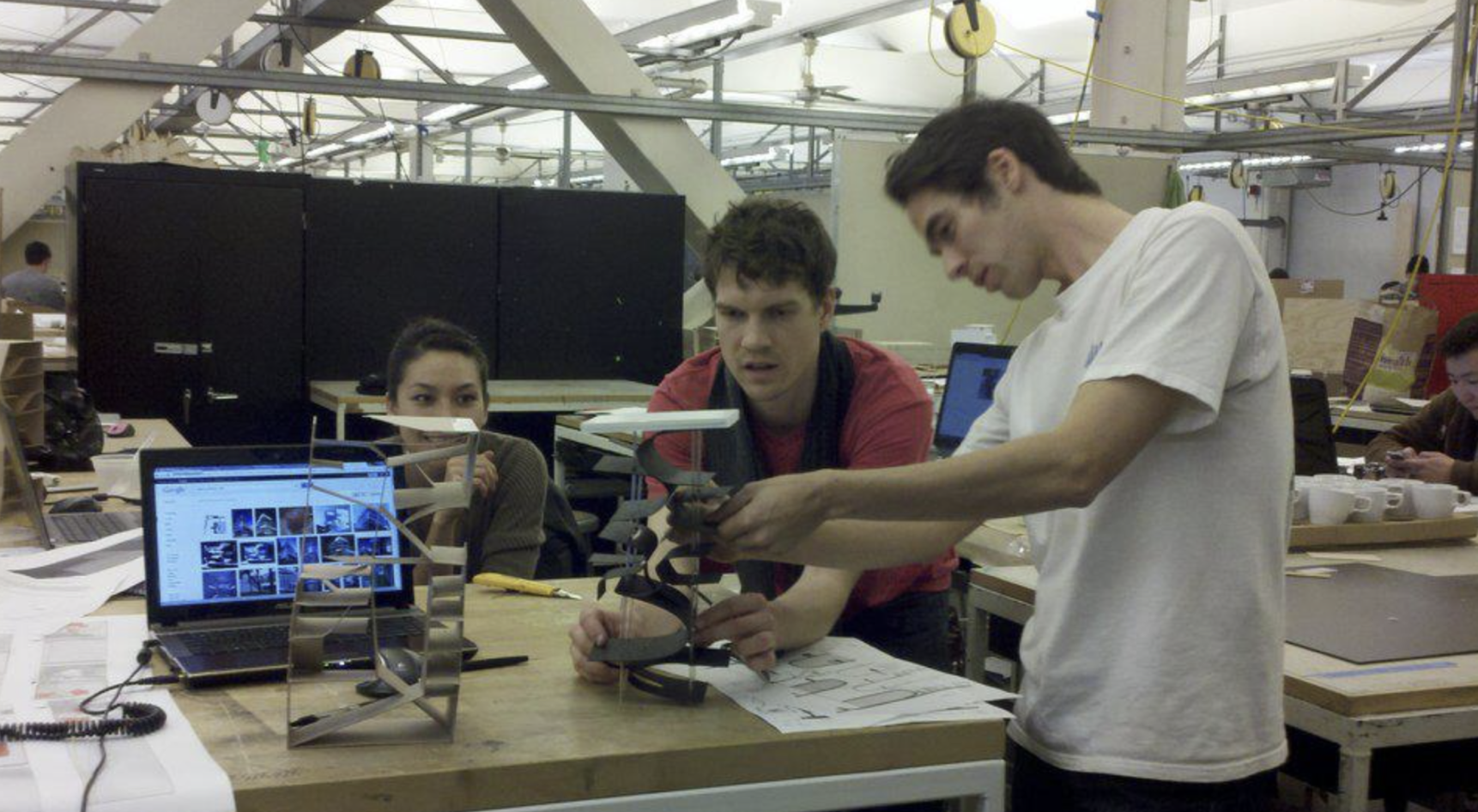
When I moved into tech, I started noticing a pattern. A bunch of my friends from architecture had quietly drifted into startups, product, robotics, film, software. We ended up starting a small community in SF called “Architechie”, mostly as a joke at first. It has now grown into a global network of over five thousand professionals who all followed similar paths.
That was the signal. Architecture doesn’t just teach you to design buildings. It teaches you how to think.
You went from buildings to wearables (Jacquard) to group travel. Is there a through-line, or do you just chase interesting problems?
I don’t have some perfectly linear master plan. I just don’t want to look back and feel like I didn’t try things.
I’ve always been drawn to people who have done a lot of different things well. Someone like Pharrell Williams is a good example.
He’s become a leader in music, fashion, boutique development, film, and business. It looks nonlinear, but it’s actually the same thing applied in different contexts. He's done more in his career than most people do in ten lifetimes. His skills stack, the network compounds, and each move makes the next one more interesting.
That’s how my own path feels in hindsight:
Urban planning to architecture to product design to R&D to teaching to startups.
Each step made the next one easier or more informed.
The funny part is that even the “random” threads connect. My architecture thesis was about the future of work and how people would live and work together. Today, with BoomPop, I’m still working on the future of work. Just from a different angle: how people come together in person.
You’re CPO and CDO — how do you think about wearing so many hats without any of them suffering?
Early on, it was honestly really hard. The only way it works now is because of my amazing team.
I have stellar engineering, product, and design leaders under me who lead the day-to-day.
My job has shifted from “doing everything” to making sure everything connects:
- product vision
- design strategy
- how all the pieces come together across teams
I spend most of my time trying to remove friction and help the team move faster without breaking quality.
Pre-Series B especially, I don’t think founders should step away from the details. You still need to be in the PRDs, in the design weeds, talking to customers, understanding how things actually get built.
——
Part II of this will be dropping next post!
What I'm Listening to
🔗 DHH’s new way of writing code
37signals (the company that makes Basecamp) runs a 2:1 engineer-to-designer ratio. They have 20 engineers and 10 designers, which is so wild. I've honestly never heard of this.
According to founder DHH, designers there aren’t polishing pixels, they act as product managers and "implementers". They define what to build, shape how it works, and often create the first version themselves.
Product Inspiration
Been playing with Claude Design the past few days and… yeah, this is where things are going.
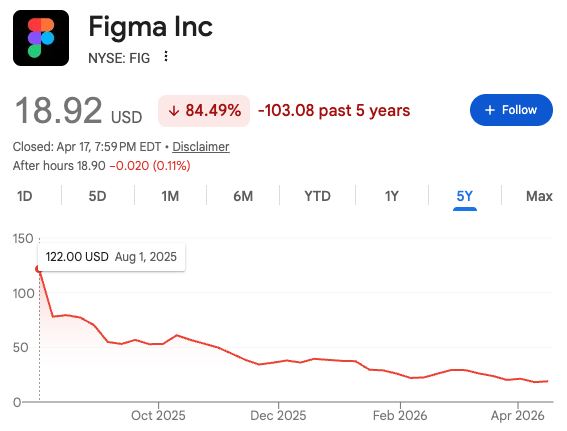
I’ve always loved Figma, but the market seems to be calling it early. AI-first design tools are coming fast.
Figma’s stock: $122 → $18 in 18 months. Brutal.
Other Finds
Referees have a difficult job. This is a cool view from their perspective.
Have a great week,
Blake
Forwarded this email? Sign up here
Let's connect on LinkedIn