Discoveries #29 | Beauty as a Moat
Welcome to Edition 29 of Discoveries where I share inspiration on design, product building, and what's next.
Beauty as a Moat
Last week, I was in Mexico City for the first time and loved every minute of it.
The city is oozing with creativity. The food, the fashion, the architecture — the residents clearly care about living in a beautiful place and it shows.
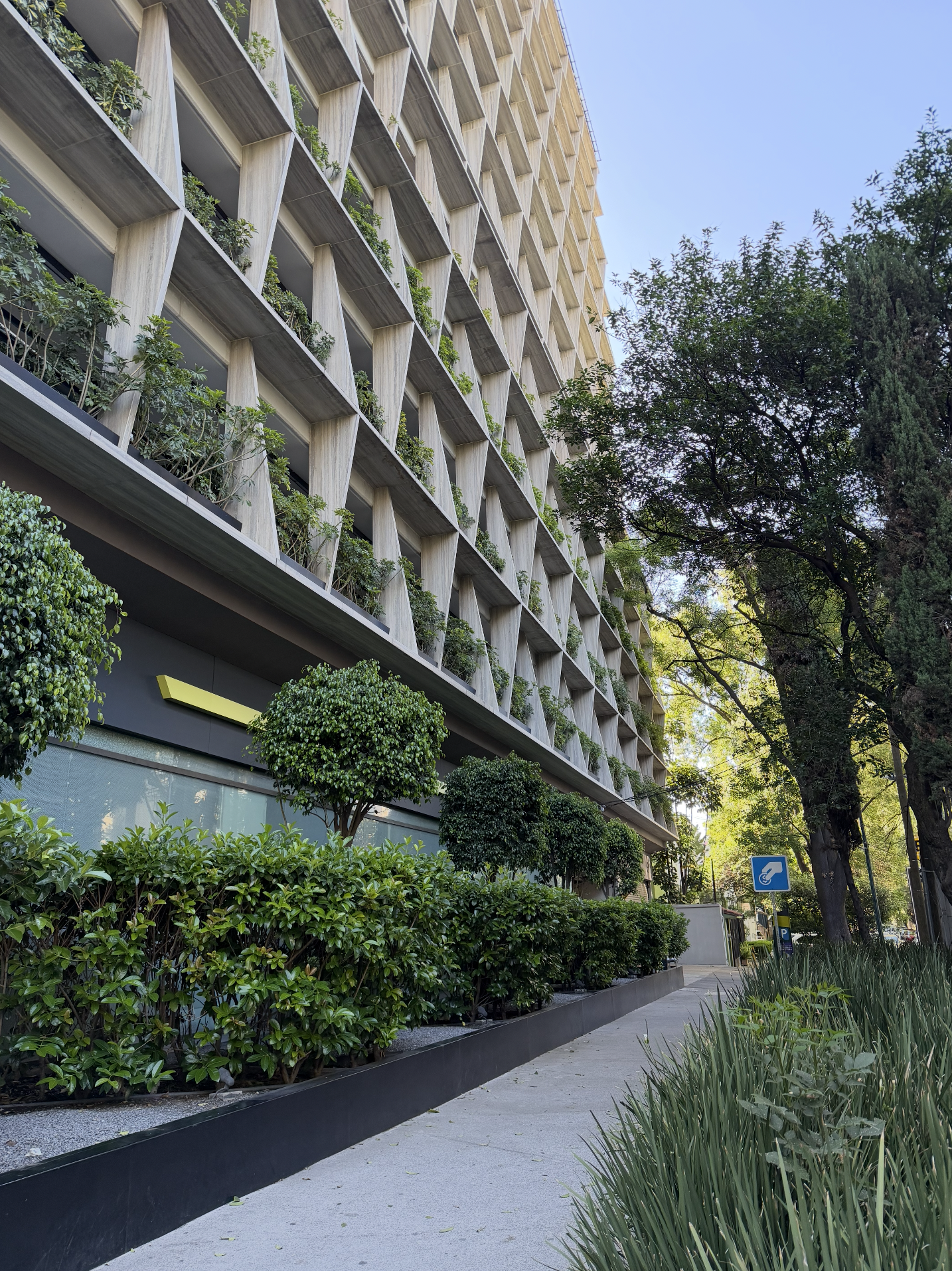
It got me thinking about the role of beauty today.
If you walk through most major cities today, most buildings are forgettable. They do their job. They keep the rain out. They provide offices, apartments, or retail space. They're functional.
But every once in a while, you'll turn a corner and stop.
Maybe it's a century-old cathedral. Maybe it's a Frank Gehry museum. Or even a tiny neighborhood café with the perfect sign hanging over the door.
Whatever it is, you notice it. You tell other people about it.
The strange thing is that all of these places perform roughly the same function as the thousands of buildings surrounding them.
So why do some stay with us while others disappear from memory the moment we leave?
The answer is beauty.
And I think beauty is about to become one of the most important competitive advantages in software.
For the last twenty five years, technology rewarded functionality.
Build something useful. Ship faster than competitors. That was usually enough.
Today, AI is changing the equation.
A product that once required fifty engineers can now be built by five. Features that took months can be created in days. Design systems, landing pages, marketing copy, and customer support are increasingly generated by machines.
The cost of creating software is collapsing. As a result, functionality is becoming abundant. And whenever something becomes abundant, something else becomes scarce.
That scarce thing is taste.
The world is filling up with "good enough"
Open ten AI products and you’ll notice something interesting.
Many look remarkably similar. The same layouts. The same illustrations. The same interaction patterns.
Everything works. Very little feels special.
We've become great at creating things that are functional. We're becoming worse at creating things that are memorable.
Stefan Sagmeister explores this idea in his book, Beauty. He argues that over the last century, beauty was gradually pushed aside in favor of utility. Function became the goal. Efficiency became the metric.
Beauty was often treated as decoration, something nice to have once the important work was done.
But beauty isn't decoration. Beauty changes behavior.
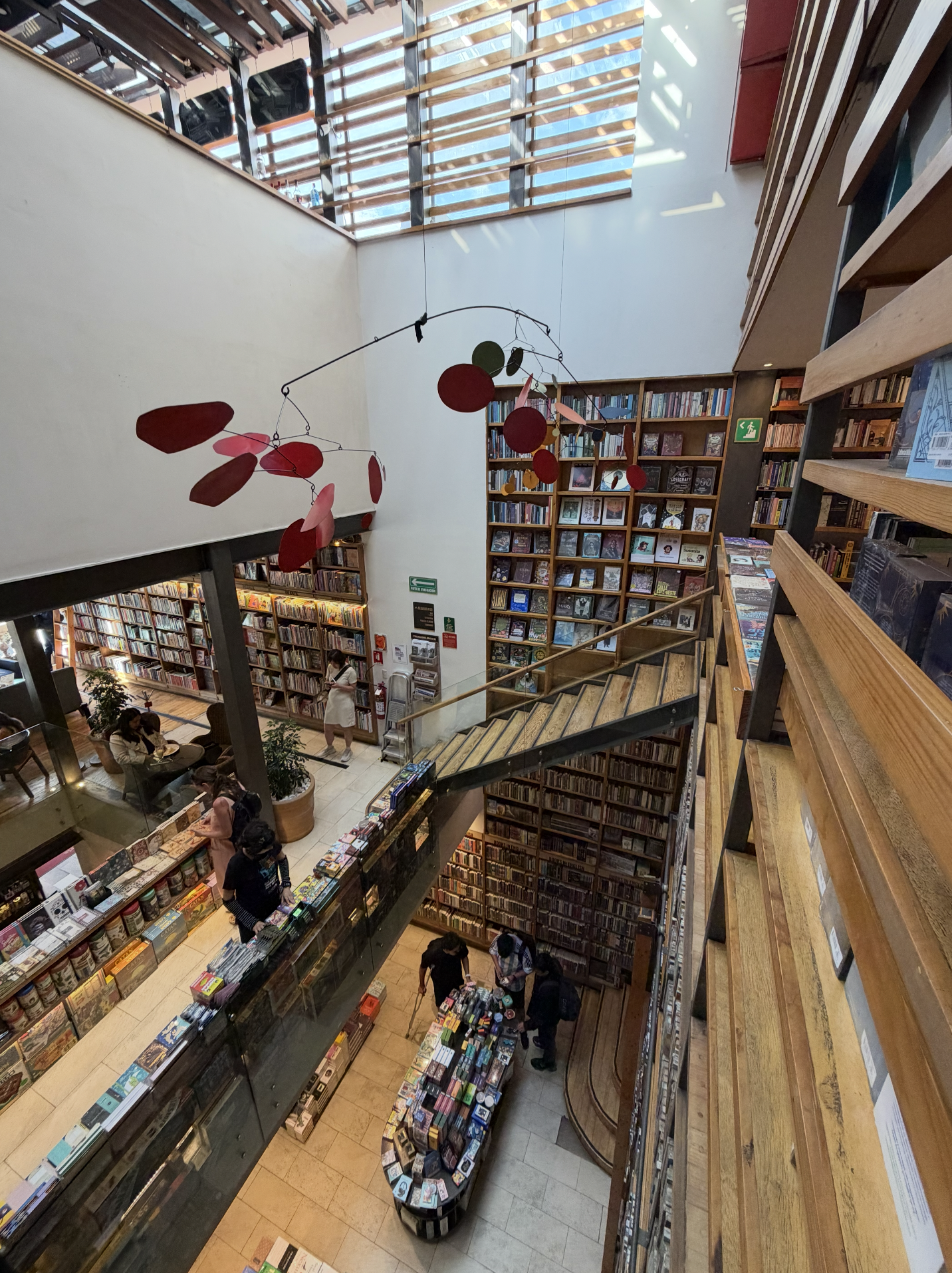
It affects how we feel, how we interact with the world, and how we value the things around us.
Anyone who has walked into an Apple Store, stayed in a beautifully designed hotel, or held a thoughtfully crafted object already understands this intuitively.
Beauty creates emotional connection. And emotional connection is increasingly rare.
AI can generate. Humans curate.
The biggest misconception about AI is that it makes taste less important. But it actually makes taste dramatically more important.
AI is excellent at generating possibilities. Humans are still responsible for deciding which possibilities deserve to exist.
AI can generate one hundred logo concepts. Someone still needs to choose the right one.
AI can generate a user interface. Someone still needs to know what feels elegant.
AI can write a hundred headlines. Someone still needs to recognize the one worth remembering.
Creation is becoming cheap. Judgment is becoming valuable. The future belongs to people who can tell the difference.
Beauty signals care
Beauty communicates something deeper than aesthetics. It signals effort.
Attention. Craftsmanship. Care.
When we encounter something beautiful, we assume somebody cared enough to go beyond the minimum requirement.
That's true whether we're looking at architecture, furniture, restaurants, cars, or software. Beauty tells us there is a human behind the work.
Why this matters
The companies that win over the next decade won't necessarily be the ones shipping the most features.
They'll be the ones creating products people genuinely love. Products that stand out in an ocean of sameness. Products that feel intentional.
AI will make software cheaper. It will make functionality easier to replicate.
It will make “good enough” available to everyone.
But beauty remains difficult. Beauty requires judgment, taste, and care.
And those things, unlike software, are becoming increasingly scarce.
What I'm Watching
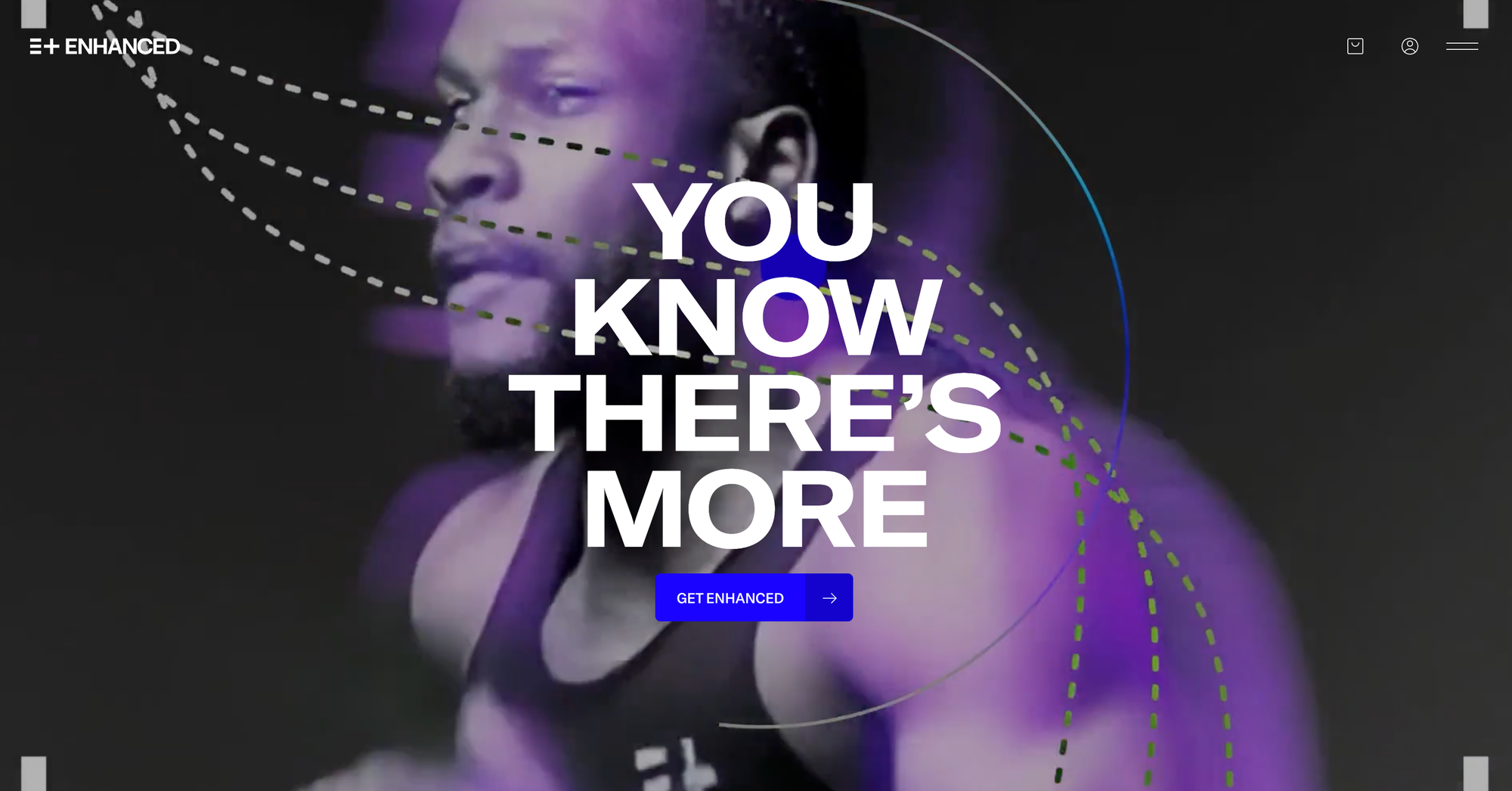
I'm fascinated by this company. Started in 2023, zero revenue, went public this year, and just hosted their first "enhanced games" allowing athletes to take performance-enhancing drugs while they compete.
Product Inspiration
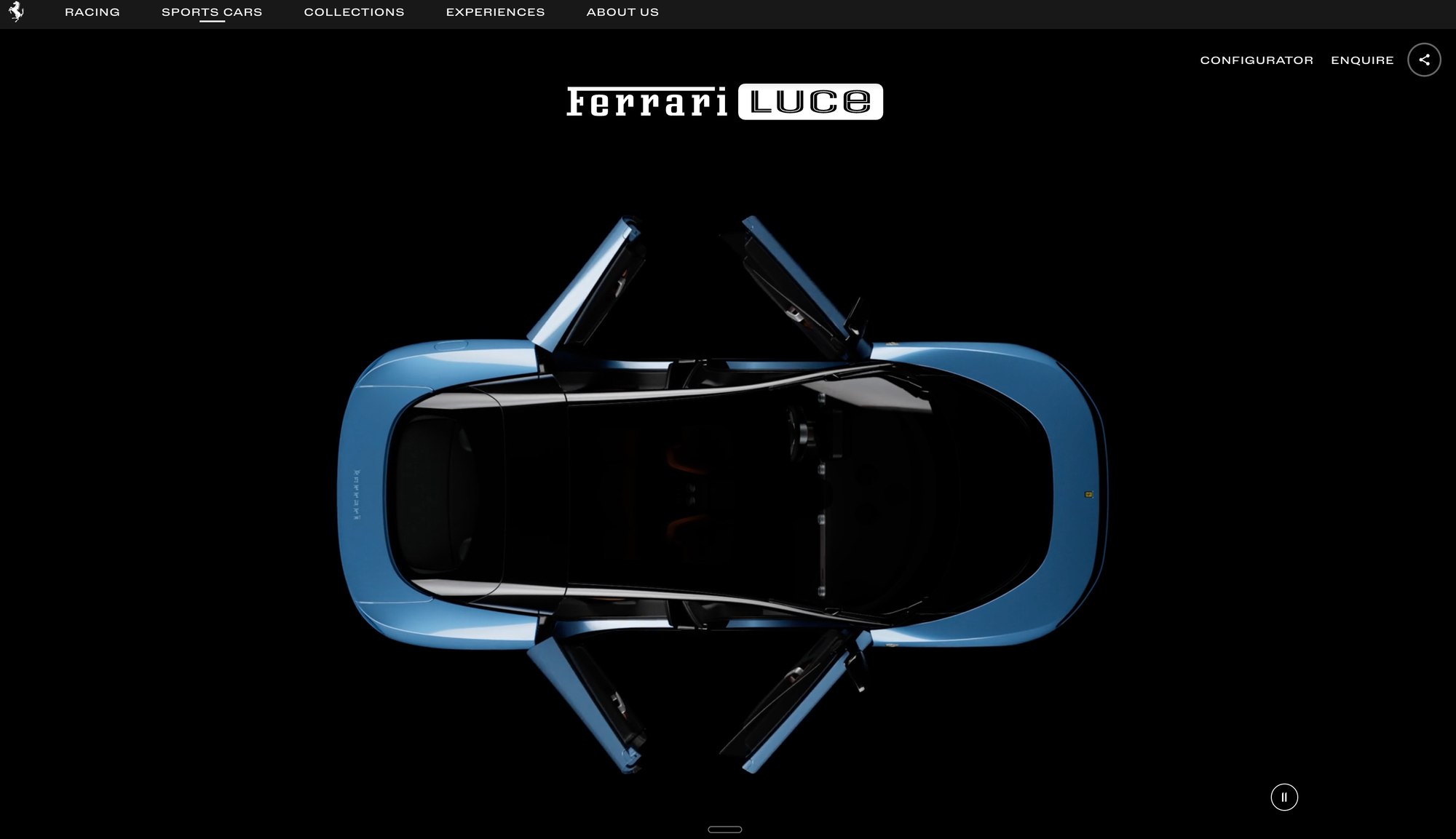
Lots of talk around the new electric Ferrari, co-designed with Jony Ive. I don't think it's the best Ferrari design —Im more of a Porsche guy ;)
Whether people love it or hate it, I appreciate that they took a swing. My guess is we’re looking at the first chapter of an entirely new generation of electric supercars.
Other Finds
This is a fun one :)
Have a great week,
Blake
Forwarded this email? Sign up here
Let's connect on LinkedIn